The Best Fluffy Pancakes recipe you will fall in love with. Full of tips and tricks to help you make the best pancakes.
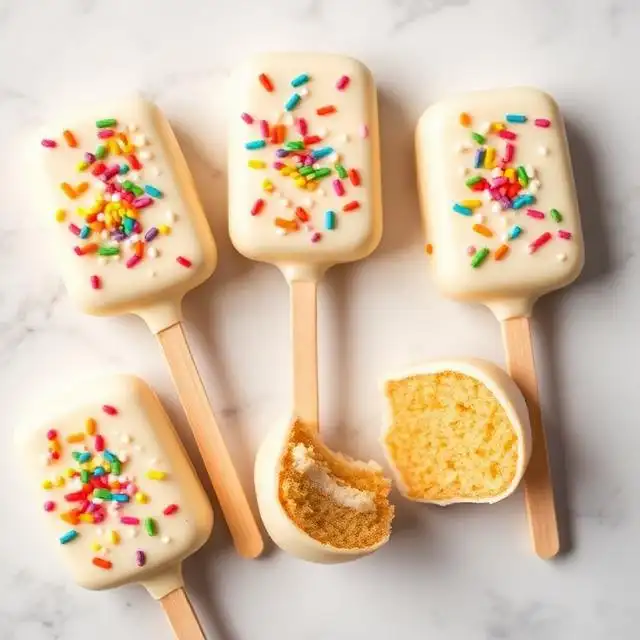
Cake Popsicles Recipe : Fudgy-tender vanilla cake wrapped in a crackly chocolate shell, with rainbow sprinkles that snap satisfyingly on the first bite. These cake popsicles taste like the inside of a bakery birthday cake, handed to you on a stick.
Table of Contents
Time & Yield
| Prep Time | 30 minutes |
| Cook Time | 25 minutes |
| Chill Time | 30 minutes |
| Total Time | 1 hour 25 minutes |
| Servings | 8 cake popsicles |
| Scale | 1X · 2X · 3X |
Why You’ll Love This Cake Popsicles Recipe
This easy cake pop recipe skips the crumbly mess of traditional cake balls. Instead of crumbling and re-rolling, you bake a tight, moist slab cake, cut clean rounds, and dip them in tempered chocolate. The result is a bakery-style cake popsicle with a defined crumb — not a dense dough ball — and a glossy shell that sets without bloom. Perfect for birthday parties, bake sales, or anytime you want a wow-worthy dessert with minimal fuss.
Ingredients
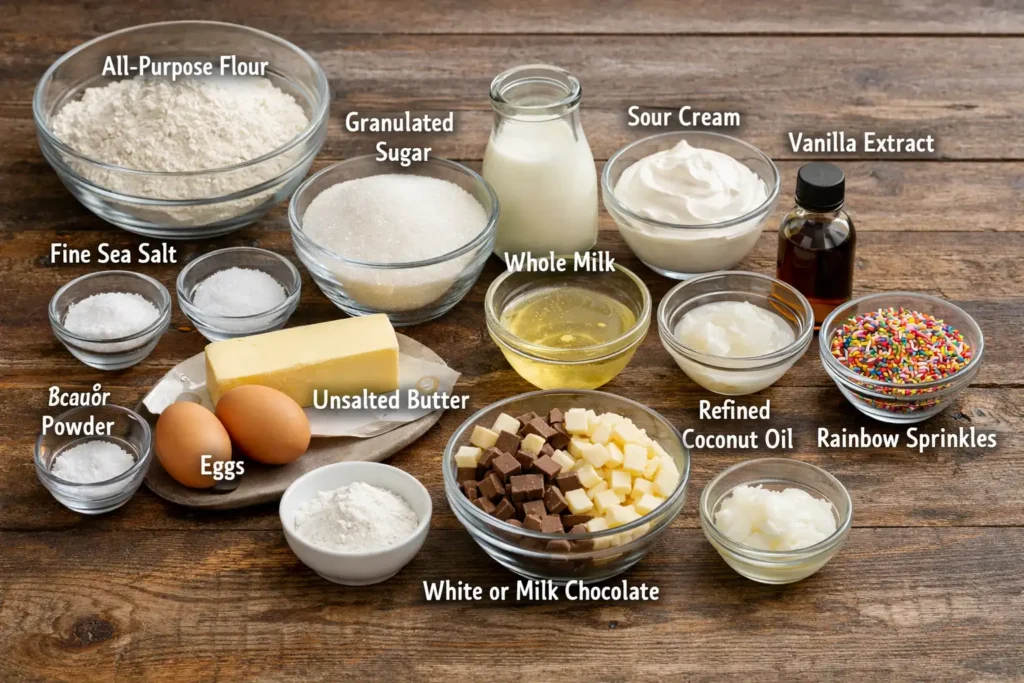
Cake (Vanilla Slab)
- 1 cup (125 g) all-purpose flour — spooned and leveled, not packed
- ¾ cup (150 g) granulated sugar
- 1½ tsp baking powder
- ¼ tsp fine sea salt
- ½ cup (113 g) unsalted butter, softened to room temperature
- 2 large eggs, room temperature
- ⅓ cup (80 ml) whole milk
- 1½ tsp pure vanilla extract
- 1 tbsp sour cream (professional note: this is the tender-crumb secret — sour cream adds fat and a touch of acidity that relaxes gluten)
Frosting (Swiss Meringue Buttercream)
- 2 large egg whites
- ½ cup (100 g) granulated sugar
- ¾ cup (170 g) unsalted butter, cut into cubes, slightly cool
- 1 tsp pure vanilla extract
- Pinch of salt
Coating & Finish
- 12 oz (340 g) high-quality white or milk chocolate, chopped (professional note: use couverture or a baking bar — chips contain stabilizers that prevent a smooth, glossy dip)
- 1 tbsp refined coconut oil (thins the chocolate for an even coat)
- Rainbow sprinkles, for decorating
- 8 lollipop or cake pop sticks
Instructions
Step 1 : Bake the Slab Cake
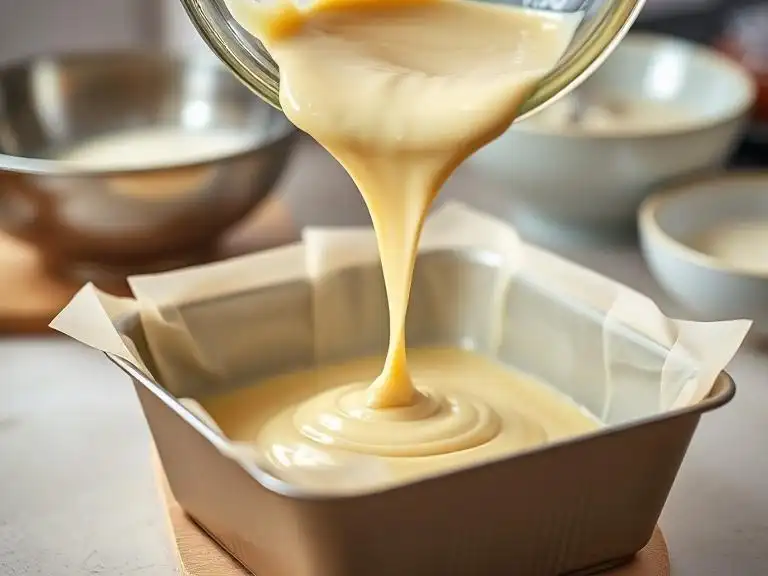
Preheat your oven to 350°F (175°C). Grease an 8×8-inch baking pan and line with parchment. Beat the butter and sugar on medium-high for 3 minutes until the mixture is pale ivory and noticeably fluffy — it should hold a ribbon when the beater is lifted. Add eggs one at a time, then vanilla. Alternate adding the flour mixture and the milk in three additions, beginning and ending with flour; fold in the sour cream last. Pour batter into the pan and smooth the top.
- Visual cue: Batter is pale yellow and falls in thick ribbons.
- Doneness cue: Bake 22–25 minutes; a toothpick inserted in the center comes out with just a few moist crumbs.
- Texture cue: The top springs back gently when pressed. Cool completely in the pan before cutting.
Step 2 : Cut the Cake Rounds
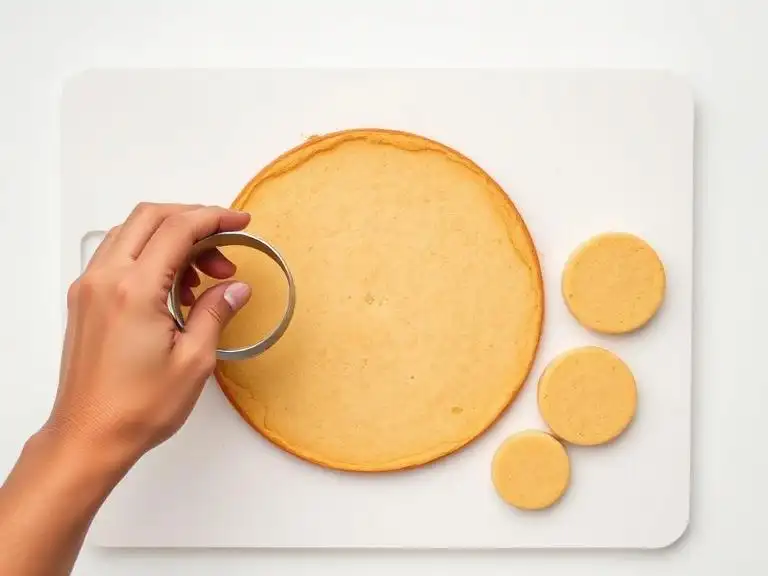
Once the cake is completely cool, use a 2½-inch round cookie cutter to punch out 8 rounds. Press straight down without twisting to keep the crumb intact.
- Visual cue: Clean, defined edges with a golden exterior and pale, tender interior.
- Texture cue: The crumb is springy, not sticky — if it sticks to the cutter, the cake needs another 10 minutes of cooling. Reserve scraps for snacking.
Step 3 : Make the Frosting and Sandwich
Combine egg whites and sugar in a heatproof bowl set over simmering water. Whisk constantly until the sugar dissolves and the mixture reaches 160°F (71°C) — it should feel completely smooth between your fingers. Transfer to a stand mixer and whip on high until stiff, glossy peaks form and the bowl feels cool to the touch, about 8 minutes. Add butter one cube at a time on medium speed. If the frosting looks soupy or curdled, keep mixing — it will come together. Add vanilla and salt.
- Visual cue: Finished buttercream is white, silky, and holds a stiff peak.
- Texture cue: Spreads like cool peanut butter — not greasy, not grainy.
Spread a generous tablespoon of buttercream on one cake round, sandwich with a second, and press gently until frosting just reaches the edges. Slide a lollipop stick into the side, going halfway through the frosting layer. Freeze the assembled pops for 30 minutes until firm.
Step 4 : Temper and Dip the Chocolate
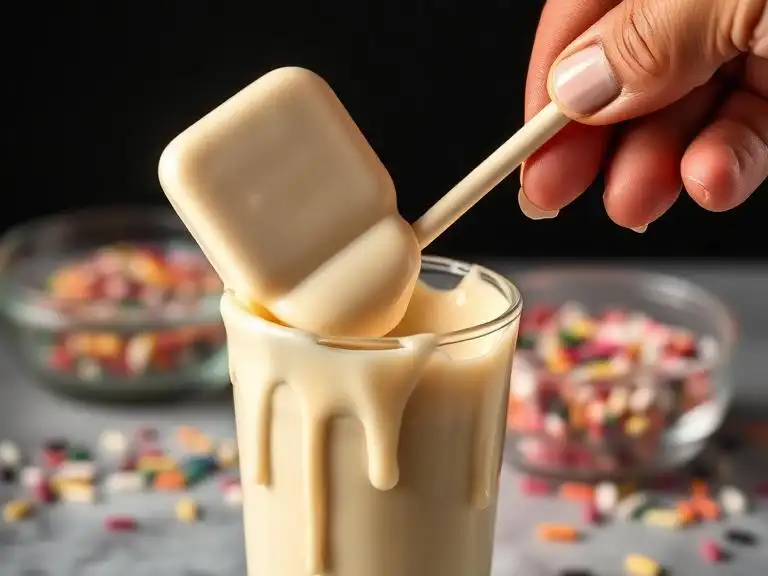
Melt chopped chocolate with coconut oil in a microwave in 30-second bursts, stirring between each, until smooth and fluid. The chocolate should reach 88–90°F (31–32°C) for white chocolate or 89–91°F (32–33°C) for milk chocolate — use an instant-read thermometer. Pour into a deep, narrow vessel (like a tall glass) for easier dipping.
- Visual cue: Chocolate is glossy and coats the back of a spoon without running off immediately.
- Texture cue: Fluid and velvety, not thick or lumpy.
Step 5 : Dip, Decorate, and Set
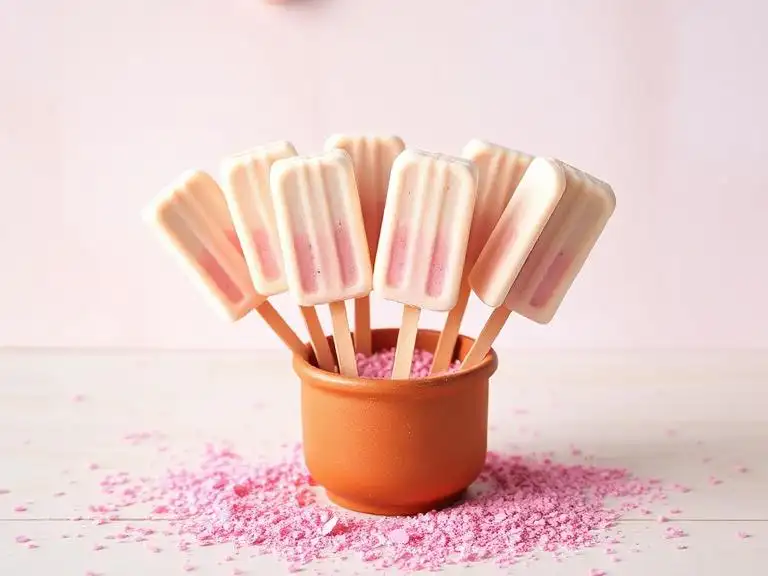
Working quickly, hold each frozen cake pop by its stick, lower it into the chocolate, and rotate slowly to coat all sides. Lift and let excess drip off by gently tapping your wrist against the edge of the glass. Before the chocolate sets — within about 30 seconds — shower with sprinkles. Stand the pops upright in a styrofoam block or a tall glass filled with sugar.
- Visual cue: The chocolate shell goes from glossy to matte as it sets , about 3–5 minutes at room temperature.
- Doneness cue: Shell is fully hardened and snaps cleanly when tapped with a fingernail.
OTHER RECIPES :
- Beginners guide to making cake mix donuts step by step
- Easy Pumpkin Dump Cake with Yellow Cake Mix
- Fruit Cake Recipe: Easy, Moist & Perfect for Christmas
Professional Baking Tips
Use a kitchen scale. Volume measurements for flour are notoriously inconsistent. Weighing ingredients is the single biggest upgrade you can make to your cake popsicles recipe.
Don’t skip the freeze step. Cold cake pops dip cleaner. Warm, soft pops will slide off the stick or leave crumbs in the chocolate.
Thin chocolate properly. If your chocolate coating is too thick, add coconut oil ½ teaspoon at a time. Never add water — even a drop will seize the chocolate into an unusable paste.
Work in small batches. Dip 2–3 pops at a time, keeping the rest in the freezer. Chocolate sets fast, and you want to decorate before it firms.
Room-temperature butter matters. For the buttercream, butter that is too cold will lumpy; butter that is too warm will make the frosting soupy. Aim for 65°F (18°C) — it should dent easily when pressed but hold its shape.
Nutrition Per Serving (1 cake popsicle)
| Nutrient | Amount |
|---|---|
| Calories | 420 kcal |
| Total Fat | 26 g |
| Saturated Fat | 16 g |
| Carbohydrates | 44 g |
| Sugars | 33 g |
| Protein | 5 g |
| Sodium | 115 mg |
Nutrition is estimated and will vary based on chocolate brand and sprinkle quantity.
Why This Is a Bakery-Style Cake Popsicle
Most easy cake pop recipes start with crumbled boxed cake mixed with canned frosting — which produces a dense, doughy interior that tastes nothing like real cake. This recipe treats the cake popsicle as what it actually is: a two-layer mini cake on a stick. The sour cream slab cake achieves the tender, tight crumb you find in professional bakery vanilla cakes. The Swiss meringue buttercream is silky, stable, and far less sweet than American buttercream — it doesn’t overpower the cake. And the tempered chocolate shell gives you that satisfying crack that tells you these were made with care.
FAQ
1. Can I use a boxed cake mix for this cake popsicles recipe?
Yes, but doctor it: replace the water with whole milk, add an extra egg yolk, and mix in a tablespoon of sour cream. It won’t match scratch flavor, but it will be far better than plain box cake.
2. How far ahead can I make cake popsicles?
Assembled and dipped pops keep refrigerated for up to 5 days in an airtight container. Let them sit at room temperature for 10 minutes before serving for the best texture.
3. Can I freeze cake popsicles?
Yes. Freeze dipped pops on a sheet tray until solid, then wrap individually and store for up to 6 weeks. Thaw overnight in the refrigerator.
4. What’s the best chocolate for dipping?
A couverture-style baking bar (like Ghirardelli, Callebaut, or Guittard) melts smoothly and sets with a glossy finish. Candy melts also work and come in many colors but have a waxy flavor.
5. My chocolate is seizing — what do I do?
Add a teaspoon of warm coconut oil and stir vigorously. If it seized from water contact, it cannot be recovered for dipping but can be used as a sauce.
6. Can I make these gluten-free?
Substitute a 1:1 gluten-free flour blend (like Bob’s Red Mill or King Arthur Measure for Measure) at equal weight. The texture will be slightly denser but still delicious.
7. How do I keep the sticks from falling out?
Dip the tip of each stick in a small amount of melted chocolate before inserting it into the cake pop. Let it set for 1 minute — it acts like glue.
8. Can I make these without a round cookie cutter?
Use a sharp knife and a 2½-inch lid or jar as a template. Alternatively, bake the batter in a square pan and cut into 2-inch squares for a different (but equally fun) shape.
9. Why is my buttercream grainy?
The sugar didn’t fully dissolve in the egg white mixture. Make sure to whisk until completely smooth and the temperature hits 160°F before whipping.
10. Can I use American buttercream instead of Swiss meringue?
Yes. Beat 1 cup softened butter with 2 cups powdered sugar, 2 tbsp heavy cream, and 1 tsp vanilla until fluffy. It’s sweeter and less stable in heat, but works well for indoor parties.
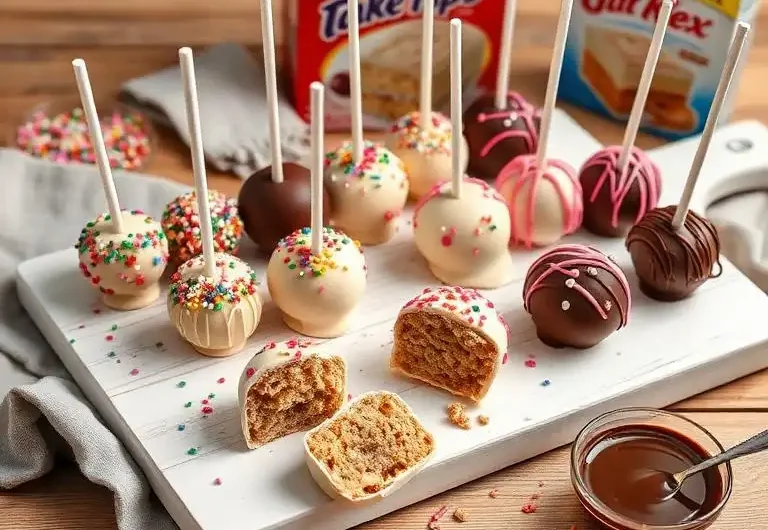
Easy Cake Popsicles Recipe: How to Make Birthday Cake on a Stick
Course: CakeCuisine: AmericanDifficulty: middleServings
8
servingsPrep time
30
minutesCooking time
25
minutesCalories
420
kcalFudgy-tender vanilla cake wrapped in a crackly chocolate shell, with rainbow sprinkles that snap satisfyingly on the first bite. These cake popsicles taste like the inside of a bakery birthday cake, handed to you on a stick.
Ingredients
- Cake (Vanilla Slab)
1 cup (125 g) all-purpose flour — spooned and leveled, not packed
¾ cup (150 g) granulated sugar
1½ tsp baking powder
¼ tsp fine sea salt
½ cup (113 g) unsalted butter, softened to room temperature
2 large eggs, room temperature
⅓ cup (80 ml) whole milk
1½ tsp pure vanilla extract
1 tbsp sour cream (professional note: this is the tender-crumb secret — sour cream adds fat and a touch of acidity that relaxes gluten)
- Frosting (Swiss Meringue Buttercream)
2 large egg whites
½ cup (100 g) granulated sugar
¾ cup (170 g) unsalted butter, cut into cubes, slightly cool
1 tsp pure vanilla extract
Pinch of salt
- Coating & Finish
12 oz (340 g) high-quality white or milk chocolate, chopped (professional note: use couverture or a baking bar — chips contain stabilizers that prevent a smooth, glossy dip)
1 tbsp refined coconut oil (thins the chocolate for an even coat)
Rainbow sprinkles, for decorating
8 lollipop or cake pop sticks
Directions
- Step 1 : Bake the Slab Cake
Preheat your oven to 350°F (175°C). Grease an 8×8-inch baking pan and line with parchment. Beat the butter and sugar on medium-high for 3 minutes until the mixture is pale ivory and noticeably fluffy — it should hold a ribbon when the beater is lifted. Add eggs one at a time, then vanilla. Alternate adding the flour mixture and the milk in three additions, beginning and ending with flour; fold in the sour cream last. Pour batter into the pan and smooth the top.
Visual cue: Batter is pale yellow and falls in thick ribbons.
Doneness cue: Bake 22–25 minutes; a toothpick inserted in the center comes out with just a few moist crumbs.
Texture cue: The top springs back gently when pressed. Cool completely in the pan before cutting. - Step 2 : Cut the Cake Rounds
Once the cake is completely cool, use a 2½-inch round cookie cutter to punch out 8 rounds. Press straight down without twisting to keep the crumb intact.
Visual cue: Clean, defined edges with a golden exterior and pale, tender interior.
Texture cue: The crumb is springy, not sticky — if it sticks to the cutter, the cake needs another 10 minutes of cooling. Reserve scraps for snacking. - Step 3 : Make the Frosting and Sandwich
Combine egg whites and sugar in a heatproof bowl set over simmering water. Whisk constantly until the sugar dissolves and the mixture reaches 160°F (71°C) — it should feel completely smooth between your fingers. Transfer to a stand mixer and whip on high until stiff, glossy peaks form and the bowl feels cool to the touch, about 8 minutes. Add butter one cube at a time on medium speed. If the frosting looks soupy or curdled, keep mixing — it will come together. Add vanilla and salt.
Visual cue: Finished buttercream is white, silky, and holds a stiff peak.
Texture cue: Spreads like cool peanut butter — not greasy, not grainy.
Spread a generous tablespoon of buttercream on one cake round, sandwich with a second, and press gently until frosting just reaches the edges. Slide a lollipop stick into the side, going halfway through the frosting layer. Freeze the assembled pops for 30 minutes until firm. - Step 4 : Temper and Dip the Chocolate
Melt chopped chocolate with coconut oil in a microwave in 30-second bursts, stirring between each, until smooth and fluid. The chocolate should reach 88–90°F (31–32°C) for white chocolate or 89–91°F (32–33°C) for milk chocolate — use an instant-read thermometer. Pour into a deep, narrow vessel (like a tall glass) for easier dipping.
Visual cue: Chocolate is glossy and coats the back of a spoon without running off immediately. Texture cue: Fluid and velvety, not thick or lumpy. - Step 5 : Dip, Decorate, and Set :
Working quickly, hold each frozen cake pop by its stick, lower it into the chocolate, and rotate slowly to coat all sides. Lift and let excess drip off by gently tapping your wrist against the edge of the glass. Before the chocolate sets — within about 30 seconds — shower with sprinkles. Stand the pops upright in a styrofoam block or a tall glass filled with sugar.
Visual cue: The chocolate shell goes from glossy to matte as it sets — about 3–5 minutes at room temperature.
Doneness cue: Shell is fully hardened and snaps cleanly when tapped with a fingernail.
Notes
- Use a kitchen scale. Volume measurements for flour are notoriously inconsistent. Weighing ingredients is the single biggest upgrade you can make to your cake popsicles recipe.
- Don’t skip the freeze step. Cold cake pops dip cleaner. Warm, soft pops will slide off the stick or leave crumbs in the chocolate.
- Thin chocolate properly. If your chocolate coating is too thick, add coconut oil ½ teaspoon at a time. Never add water — even a drop will seize the chocolate into an unusable paste.
- Work in small batches. Dip 2–3 pops at a time, keeping the rest in the freezer. Chocolate sets fast, and you want to decorate before it firms.
- Room-temperature butter matters. For the buttercream, butter that is too cold will lumpy; butter that is too warm will make the frosting soupy. Aim for 65°F (18°C) — it should dent easily when pressed but hold its shape.