The Best Fluffy Pancakes recipe you will fall in love with. Full of tips and tricks to help you make the best pancakes.
⭐⭐⭐⭐⭐ 4.8 / 5 — Dense yet feather-tender, with a deeply buttery crumb, golden crust, and vanilla warmth in every bite. This is the butter pound cake that tastes straight out of a Southern bakery.
Most homemade butter cakes fall flat — either too dense, too dry, or cloyingly sweet. This butter pound cake recipe fixes all of that. The secret is the reverse creaming method (fat coats the flour first, limiting gluten development), a full cup of sour cream for tang and moisture retention, and real unsalted butter creamed until pale and fluffy. The result is a tight, velvety crumb with enough structure to hold a frosting or stand beautifully bare. It’s the butter cake recipe that earns requests every single time.
Table of Contents
| Prep Time | 20 minutes |
| Cook Time | 65 minutes |
| Total Time | 1 hour 25 minutes |
| Servings | 8 |
Ingredients
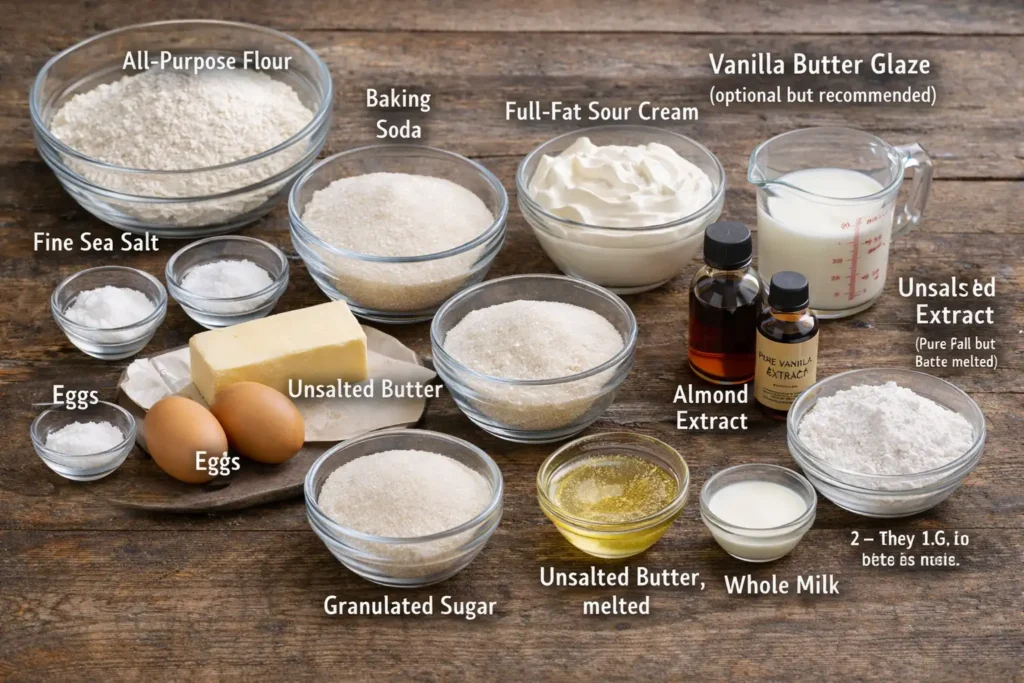
Cake (1X)
- 3 cups (360g) all-purpose flour, spooned and leveled
- ½ tsp baking soda
- ½ tsp fine sea salt
- 1 cup (226g) unsalted butter, room temperature (must be 68°F — not cold, not greasy)
- 2¾ cups (550g) granulated sugar
- 6 large eggs, room temperature
- 1 cup (240g) full-fat sour cream, room temperature
- 2 tsp pure vanilla extract
- 1 tsp almond extract (optional but adds bakery depth)
Vanilla Butter Glaze (optional but recommended)
- 1 cup (120g) powdered sugar, sifted
- 3 tbsp (42g) unsalted butter, melted
- 2–3 tbsp whole milk
- ½ tsp pure vanilla extract
- Pinch of salt
Pro Note: For a layered butter pound cake, double the glaze and add ½ cup of vanilla buttercream between layers.
Instructions
Step 1 : Prep Your Pan and Oven
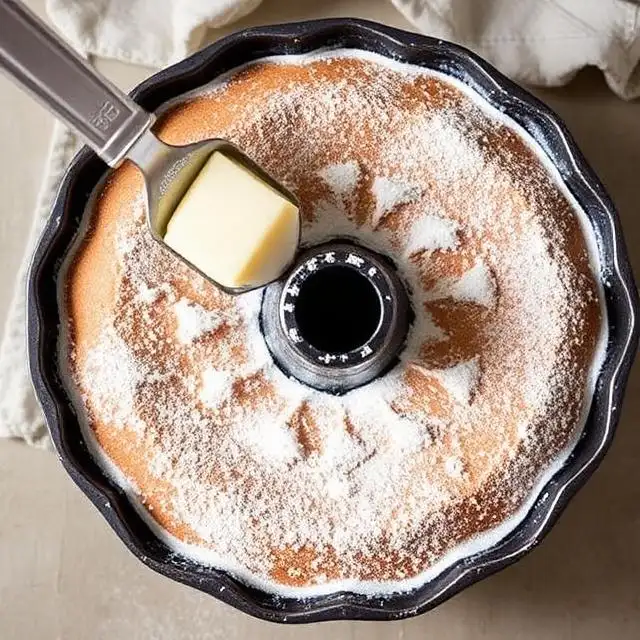
Preheat the oven to 325°F (163°C). Generously grease a 10-inch Bundt pan or two 9×5 loaf pans with softened butter, then dust with flour, tapping out any excess. Visual cue: the pan should have a visible thin white flour coating with no bare spots. This ensures a clean release and the signature golden crust of a true butter pound cake recipe.
Step 2 : Mix Dry Ingredients
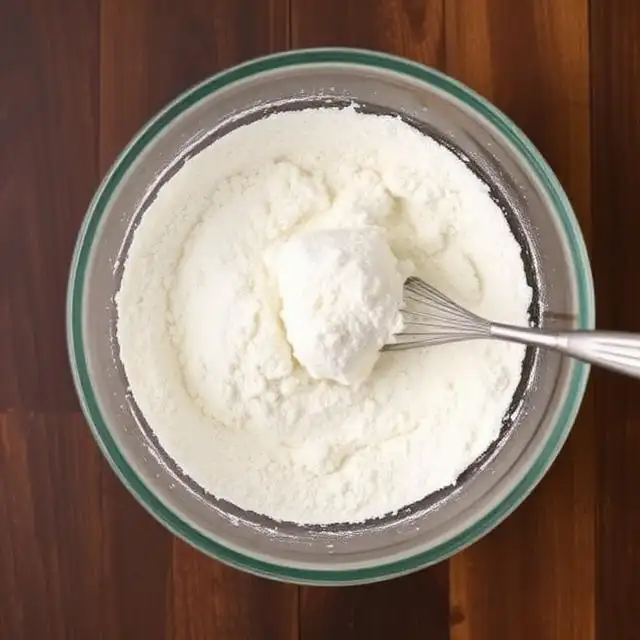
In a medium bowl, whisk together the flour, baking soda, and salt for 30 seconds. Texture cue: the mixture should look uniform with no white pockets of salt. Set aside. Never skip this step — uneven salt distribution causes bitter pockets in the finished cake.
Step 3 : Cream Butter and Sugar
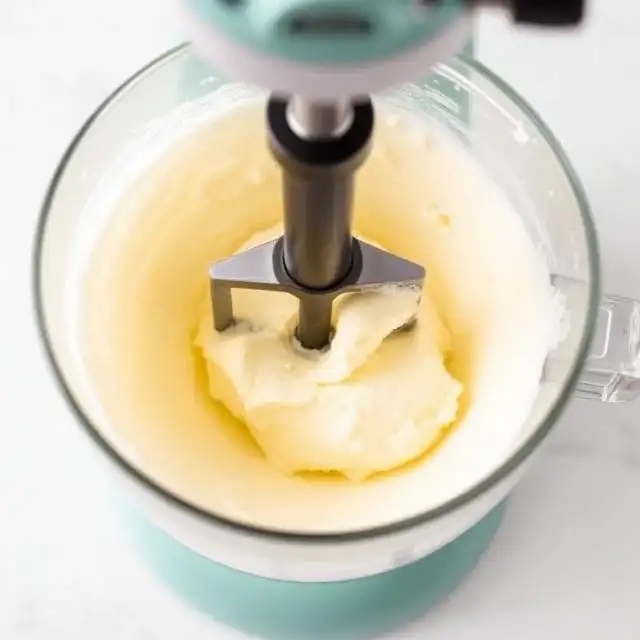
In a stand mixer fitted with the paddle attachment, beat butter on medium for 2 minutes until smooth. Add sugar and cream on medium-high for 5–6 full minutes. Visual cue: the mixture should turn noticeably pale — almost white — and nearly double in volume. Texture cue: it should feel light and airy when you rub it between your fingers, not gritty. This is the most important step for a tender crumb in your butter cake recipe.
Step 4 : Add Eggs and Sour Cream
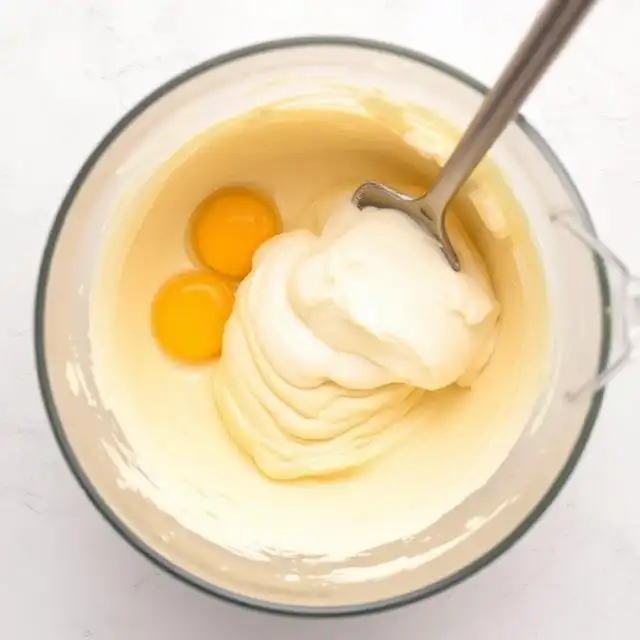
Add eggs one at a time, beating 30 seconds after each. Scrape the bowl. Mix in the sour cream and both extracts on low until just combined. Visual cue: the batter may look slightly curdled — that’s normal and will smooth out when flour is added.
Step 5 : Fold in Flour
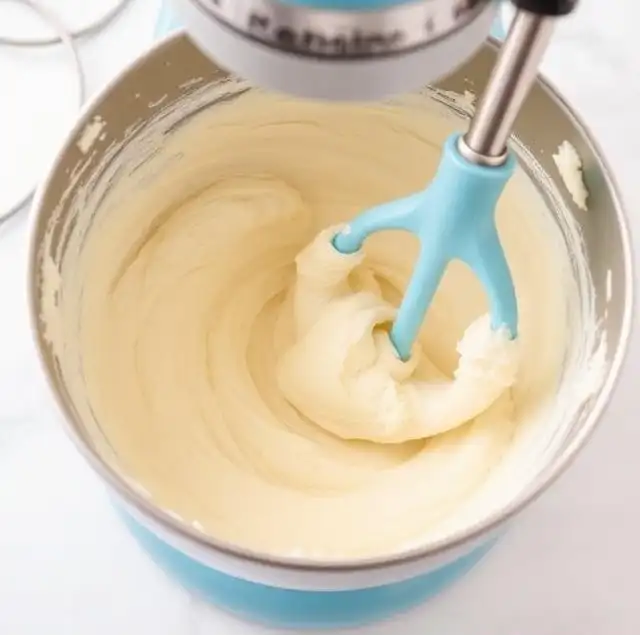
With the mixer on the lowest speed, add the flour mixture in three additions, mixing only until the last streak of flour disappears. Texture cue: the batter should be thick, glossy, and ribbon slowly off a spatula — not pourable, not stiff. Overmixing activates gluten and will produce a tough cake.
Step 6 : Bake and Test for Doneness
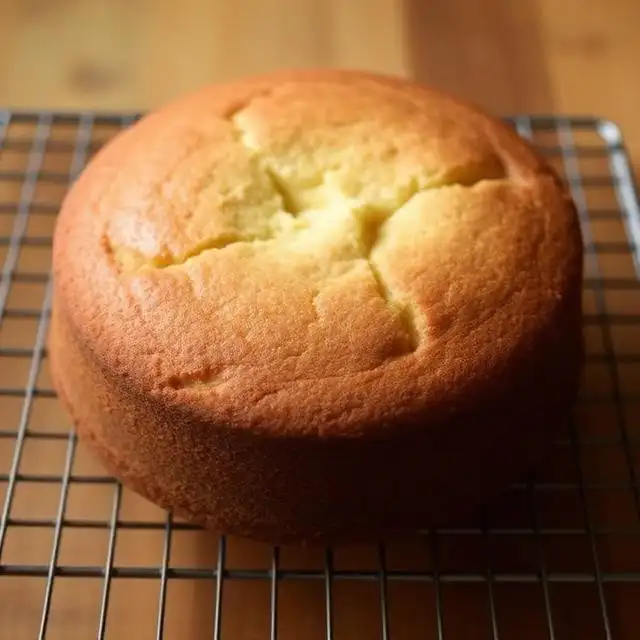
Pour batter into the prepared pan and smooth the top. Bake 60–70 minutes. Doneness cue: a wooden skewer inserted into the thickest part should come out with just a few moist crumbs — not wet batter and not bone-dry. The internal temperature should read 205–210°F. The top should be deep golden with slight cracking — that crack is a classic butter pound cake badge of honor. Cool in pan 15 minutes, then invert onto a wire rack.
OTHER RECIPES :
- Best M&M Cookie Recipe (Thick, Gooey & Easy to Make)
- The Best Peach Cobbler Recipe with Cake Mix So Easy So Delicious!
- Cloud Cake Recipe: Light, Airy, and Melt-in-Your-Mouth
Professional Baking Tips
Room temperature everything. Cold butter won’t cream properly. Cold eggs will break the emulsion. Pull all refrigerated ingredients out 1 hour before baking.
Use a kitchen scale. A packed cup of flour can be up to 30% more than a properly measured one. The difference between a moist butter pound cake and a dry one is often just 30g of extra flour.
Don’t rush the creaming. Five to six minutes feels long, but it’s building the air structure that keeps your crumb tender. Set a timer.
Tent with foil at 45 minutes if the top is browning too fast. The inside needs time to set without the crust overbaking.
Let it cool fully before glazing. Pouring glaze over a warm cake causes it to absorb rather than coat, which means less flavor on the outside where it counts.
Nutrition Per Serving (1 of 8 slices, without glaze)
| Nutrient | Amount |
|---|---|
| Calories | 620 kcal |
| Total Fat | 28g |
| Saturated Fat | 17g |
| Cholesterol | 185mg |
| Sodium | 210mg |
| Total Carbohydrates | 84g |
| Sugars | 56g |
| Protein | 8g |
Nutrition is estimated and will vary based on specific ingredients used.
FAQ
1. What makes a butter pound cake different from a regular butter cake recipe? A classic butter pound cake uses a 1:1:1:1 ratio of butter, sugar, eggs, and flour by weight — no leavening agents originally. Modern versions like this one use a small amount of baking soda and sour cream for a lighter texture while keeping that signature dense richness.
2. Can I use salted butter instead of unsalted? You can, but reduce the added salt to ¼ tsp. Different brands vary in salt content, so unsalted gives you full control over flavor balance.
3. Why did my pound cake sink in the middle? Most likely underbaked or the oven door was opened too early. Always use a thermometer to confirm 205–210°F internal temp before removing.
4. Can I make this butter pound cake recipe ahead of time? Yes. Wrap the unfrosted cake tightly in plastic wrap and store at room temperature up to 3 days, or freeze up to 3 months. Glaze only before serving.
5. Can I bake this as a layer cake instead of a Bundt? Absolutely. Divide batter between two greased 8-inch round pans and bake at 325°F for 45–55 minutes. The denser crumb holds layers beautifully.
6. My batter curdled when I added the eggs — is it ruined? No. A slightly curdled batter is normal if your eggs were slightly cool. It will come together once you add the flour. The key is not to add the eggs too fast.
7. Can I substitute Greek yogurt for sour cream? Full-fat Greek yogurt works as a 1:1 substitute and produces a nearly identical result. Avoid low-fat versions, which reduce richness and alter texture.
8. How do I get a clean release from my Bundt pan? Butter every crevice generously, then flour the pan. Let the cake cool exactly 15 minutes before inverting — too soon and it tears, too long and it sticks from condensation.
9. Can I add flavors like lemon or chocolate to this base? Yes. Add 2 tbsp lemon zest and replace vanilla with lemon extract for a bright citrus variation. For chocolate swirl, remove 1 cup of batter, mix in 3 tbsp cocoa powder, then swirl into the pan.
10. What’s the best frosting for a butter pound cake? The vanilla butter glaze in this recipe is the classic choice. For a richer finish, a browned butter cream cheese frosting pairs exceptionally well with the dense, buttery crumb.
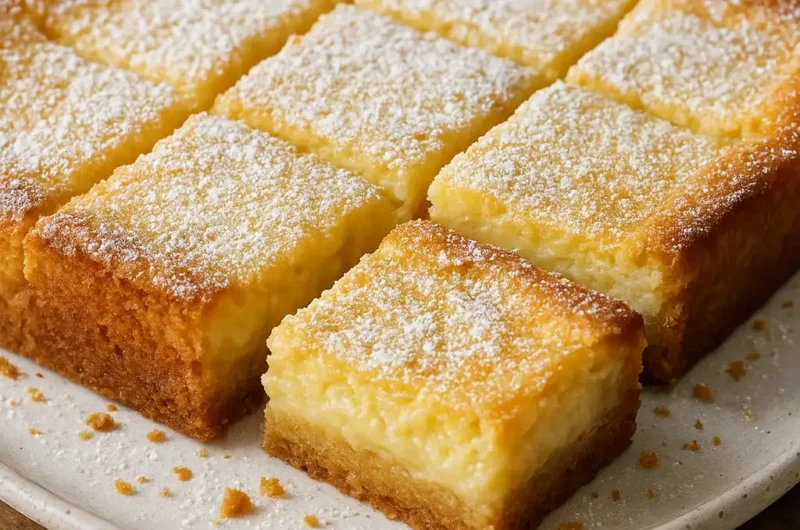
Best Butter Pound Cake Recipe – Super Moist, Rich & Classic Southern
Course: Cake, DessertCuisine: AmericanDifficulty: EasyServings
8
servingsPrep time
20
minutesCooking time
1
hour5
minutesCalories
620
kcalMost homemade butter cakes fall flat — either too dense, too dry, or cloyingly sweet. This butter pound cake recipe fixes all of that. The secret is the reverse creaming method (fat coats the flour first, limiting gluten development), a full cup of sour cream for tang and moisture retention, and real unsalted butter creamed until pale and fluffy. The result is a tight, velvety crumb with enough structure to hold a frosting or stand beautifully bare. It’s the butter cake recipe that earns requests every single time.
Ingredients
- Cake (1X)
3 cups (360g) all-purpose flour, spooned and leveled
½ tsp baking soda
½ tsp fine sea salt
1 cup (226g) unsalted butter, room temperature (must be 68°F — not cold, not greasy)
2¾ cups (550g) granulated sugar
6 large eggs, room temperature
1 cup (240g) full-fat sour cream, room temperature
2 tsp pure vanilla extract
1 tsp almond extract (optional but adds bakery depth)
- Vanilla Butter Glaze (optional but recommended)
1 cup (120g) powdered sugar, sifted
3 tbsp (42g) unsalted butter, melted
2–3 tbsp whole milk
½ tsp pure vanilla extract
Pinch of salt
Directions
- Step 1 : Prep Your Pan and Oven
Preheat the oven to 325°F (163°C). Generously grease a 10-inch Bundt pan or two 9×5 loaf pans with softened butter, then dust with flour, tapping out any excess. Visual cue: the pan should have a visible thin white flour coating with no bare spots. This ensures a clean release and the signature golden crust of a true butter pound cake recipe. - Step 2 : Mix Dry Ingredients
In a medium bowl, whisk together the flour, baking soda, and salt for 30 seconds. Texture cue: the mixture should look uniform with no white pockets of salt. Set aside. Never skip this step — uneven salt distribution causes bitter pockets in the finished cake. - Step 3 : Cream Butter and Sugar
In a stand mixer fitted with the paddle attachment, beat butter on medium for 2 minutes until smooth. Add sugar and cream on medium-high for 5–6 full minutes. Visual cue: the mixture should turn noticeably pale — almost white — and nearly double in volume. Texture cue: it should feel light and airy when you rub it between your fingers, not gritty. This is the most important step for a tender crumb in your butter cake recipe. - Step 4 : Add Eggs and Sour Cream
Add eggs one at a time, beating 30 seconds after each. Scrape the bowl. Mix in the sour cream and both extracts on low until just combined. Visual cue: the batter may look slightly curdled — that’s normal and will smooth out when flour is added. - Step 5 : Fold in Flour
With the mixer on the lowest speed, add the flour mixture in three additions, mixing only until the last streak of flour disappears. Texture cue: the batter should be thick, glossy, and ribbon slowly off a spatula — not pourable, not stiff. Overmixing activates gluten and will produce a tough cake. - Step 6 : Bake and Test for Doneness
Pour batter into the prepared pan and smooth the top. Bake 60–70 minutes. Doneness cue: a wooden skewer inserted into the thickest part should come out with just a few moist crumbs — not wet batter and not bone-dry. The internal temperature should read 205–210°F. The top should be deep golden with slight cracking — that crack is a classic butter pound cake badge of honor. Cool in pan 15 minutes, then invert onto a wire rack.
Notes
- Room temperature everything. Cold butter won’t cream properly. Cold eggs will break the emulsion. Pull all refrigerated ingredients out 1 hour before baking.
- Use a kitchen scale. A packed cup of flour can be up to 30% more than a properly measured one. The difference between a moist butter pound cake and a dry one is often just 30g of extra flour.
- Don’t rush the creaming. Five to six minutes feels long, but it’s building the air structure that keeps your crumb tender. Set a timer.
- Tent with foil at 45 minutes if the top is browning too fast. The inside needs time to set without the crust overbaking.
- Let it cool fully before glazing. Pouring glaze over a warm cake causes it to absorb rather than coat, which means less flavor on the outside where it counts.